The expansion has to make the first article heavier, not blurrier.
I do not want a second article that behaves like a bibliography with a pulse. The expansion has to sharpen the first field note: source memory, outside context, proof boundary, and a reader move that survives after the tab closes. Sources have jobs.
The research engine
The source has to earn its seat.
If NIST is here, it should teach governance. If WCAG is here, it should teach public interface quality. If Darthom is here, it should keep the piece connected to the company's public brain. A citation that does not change the decision is just academic wallpaper, and I am not decorating weak thought with official links. Not here.
research_expansion =
  field_note_pressure
+ credible_sources
+ founder_interpretation
+ proof_boundary
+ operator_move

Research should feel like a command room with sources doing work, public proof nearby, and the founder still deciding what the evidence means. The page has to feel operated. ⚡
AI-assisted publishing becomes worth trusting when the system around the text is stricter than the model that produced it.
What makes AI-assisted publishing worth trusting after the first article ships?
The first article can prove taste. The second article has to prove process. That is where most AI publishing systems fall apart. They can generate one impressive essay, then the next cycle drifts into generic filler because the workflow did not preserve source memory, proof discipline, route checks, or editorial judgment.
DevodeRator cannot build trust that way. If AI helps the archive, the archive has to become more accountable, not less. The system has to know the public brain context, the canonical voice, the links that matter, the proof receipts that can be mentioned safely, and the private material that must stay locked away. Otherwise the model is only producing confidence without custody, and that is a fancy way to ship nonsense.
The deeper point is simple: trust is an operating behavior. It is not a tone. It is not a claim. It is the result of source context, release boundaries, accessibility, evidence, and a refusal to publish when the article cannot defend itself.
- Governance: AI output needs roles, evidence, review, and rejection paths.
- Accessibility: public writing is an interface; links, headings, and mobile flow matter.
- Proof: the article has to connect to receipts, public routes, source-safe references, and live product behavior.
NIST gives the boring words for the thing builders already know.
The NIST AI Risk Management Framework talks about governance, mapping, measuring, and managing AI risk. I do not need DevodeRator to become a compliance brochure, but those verbs are useful because they describe the difference between a text generator and a publishing system. The output has to be governed by a role. The task has to be mapped to a real source base. The result has to be measured against proof and public boundaries. The lane has to be managed so the next cycle does not regress into slop.
That matters even more when the writing carries a company like the 0S. A casual AI post can say "our platform is powerful" and call it a day. A DevodeRator post has to know whether the claim belongs to SkyeMail, SkyePay, SkyeVault, SkyeNet, SkyeMusicNexus, the public marketing site, or a private owner lane. Those distinctions are not pedantry. They are the difference between trust and fog.
The public archive becomes stronger when the AI lane has less freedom and more custody. That sounds backwards only if the goal is volume. If the goal is trust, constraints are the machine that keeps the voice from getting cheap.
That is the whole difference between "we use AI" and "we operate an AI-assisted publishing lane." One is a tool claim. The other is a system claim. A system claim has routing, source selection, release gates, visible proof, rejection logic, and consequences when the output is weak. The reader may not see the full control plane, but the page should feel the effect of it: less drift, fewer empty claims, stronger links, better structure, and a voice that still sounds like somebody with a stake in the outcome.
That is why the the research companion cannot hide behind citations. Sources are not seasoning. They are pressure. If a source does not sharpen the point, it does not belong. If a standard is mentioned, the article needs to explain why the standard changes the operator decision. Otherwise the bibliography becomes another costume for weak thinking.
Accessibility is not separate from editorial quality.
WCAG 2.2 is usually discussed as an accessibility standard, but it also reminds me that content is an interface. A technical article can have a strong argument and still fail the reader if headings collapse, links look invisible, images crop badly, contrast weakens, or the page makes mobile reading feel like punishment.
That is why DevodeRator’s visual standard matters beyond aesthetics. Pixel Game headings create identity. Dev-style body type creates a technical reading rhythm. Neon links tell the reader where the door is. Feature images give the article a face. Emoji signals add pulse when they serve the sentence instead of decorating every heading like a cheap party banner.
The point is not to make every article louder. The point is to make the thought easier to enter. A developer, buyer, artist, or operator should be able to scan the page, feel the argument, click the proof, and understand where the boundary sits.
The scan path matters because longform does not mean forcing the reader through a hallway with no doors. A good expansion gives them handles: a source matrix, a proof box, a few honest jumps, a strong visual, and headings that say something sharper than "Overview." That is how a dense argument stays human. It lets the reader choose a path without weakening the point.
This is also why the visual system cannot be treated as decoration. When a link is visibly clickable, the reader knows where to inspect. When a feature image is contextual instead of logo-only, the article has a world. When the typography has game energy in the headings and developer rhythm in the body, the page feels like DevodeRator instead of a generic tech blog wearing dark colors.
Source custody is an editorial problem too.
Source custody usually sounds like a vault problem, but it also belongs in publishing. A public page is a release artifact. It has to know what it is allowed to expose. It has to keep secrets, raw env values, private implementation source, owner-only handoffs, restricted client attribution, and internal prompt mechanics out of view.
This is where a lot of "transparent" technical writing gets sloppy. It tries to prove the work by dumping the workshop into public. That is not proof. That is weak custody. The better move is to summarize the public-safe evidence, link the public surfaces, keep receipts in the appropriate proof path, and let the private source remain private.
Darthom Intelligence helps because it gives the writing a public knowledge surface to draw from. The article can be smarter without leaking the private room. It can use the public brain, cite useful references, and connect the thought to the 0S without exposing raw internal state.
This is the difference between useful transparency and reckless exposure. Useful transparency gives the reader a way to inspect the argument. Reckless exposure confuses access with trust. The 0S does not need to empty its pockets to prove that the work is real. It needs public artifacts that know what they are allowed to say, public links that behave, and source trails that make the synthesis stronger instead of making the system easier to attack.
That line is especially important when an article talks about agents. The public can see the outcome, the route, the standard, the proof posture, and the business consequence. The private control plane, owner-only workflow, raw prompt mechanics, and restricted customer context stay out of the frame. That is not hiding the ball. That is respecting the product.
And respecting the product means respecting the buyer. A buyer does not need a prompt transcript. They need to know what the system can produce, what it will not claim, where the proof sits, and what happens after the click. A developer does not need secrets. They need enough architecture language to trust that the page was written from a real system, not from a model freewheeling through brand nouns.
That is why the expansion has to be harder on itself than a normal article. It has to widen the thought without diluting it. It has to bring external context without letting external context replace the founder's own operating thesis. It has to be researched without becoming bloodless. That balance is the job.
The second article has to compound the first one.
A real expansion is not a footnote. It has to widen the first article’s argument with outside context, deeper market language, and more usable thinking. If the first piece says a technical blog needs system memory, this piece asks what governance and public trust look like once the memory exists.
That compounding shape is what makes the two-article lane valuable. One piece carries founder pressure. The next piece adds research pressure. Together they make a conversation a serious technical reader can follow. That is how a blog becomes an archive instead of a content calendar.
I do not want AI-assisted publishing that asks for trust because the system says it has a workflow. I want AI-assisted publishing that earns trust because the public result is useful, sourced, accessible, proof-aware, and hard to dismiss.
The follow-up should make the first article feel more valuable after the fact. That is the compounding test. A reader who opened the field note should come back to the expansion and see the same pressure from a wider angle. A reader who starts with the expansion should be curious enough to open the field note and inspect the origin. When those two paths work, the archive starts behaving like a conversation instead of a feed.
That is how DevodeRator can pull serious technical people into the 0S without begging them. Give them useful thought. Give them evidence. Give them a little spark. Then let the surfaces do what the surfaces are supposed to do: open, answer, connect, and make the next route obvious.
The business value is trust transfer.
DevodeRator is valuable when it transfers trust from the private operating room into public understanding without exposing the private operating room. That is not easy. The article has to show enough to be useful, withhold enough to stay safe, and sound alive enough that the reader knows a real founder is still in the loop.
That is the line I care about. AI can help with speed, structure, and research. It cannot be allowed to make the company sound generic. It cannot publish weak links. It cannot bury the boundary. It cannot turn the archive into a pile of pleasant summaries. The writing has to be worth the click.
The article becomes trustworthy when the reader can follow the thought, inspect the doors, and see that the system knew where not to speak.
🧭 Research proof · Source evidence lane
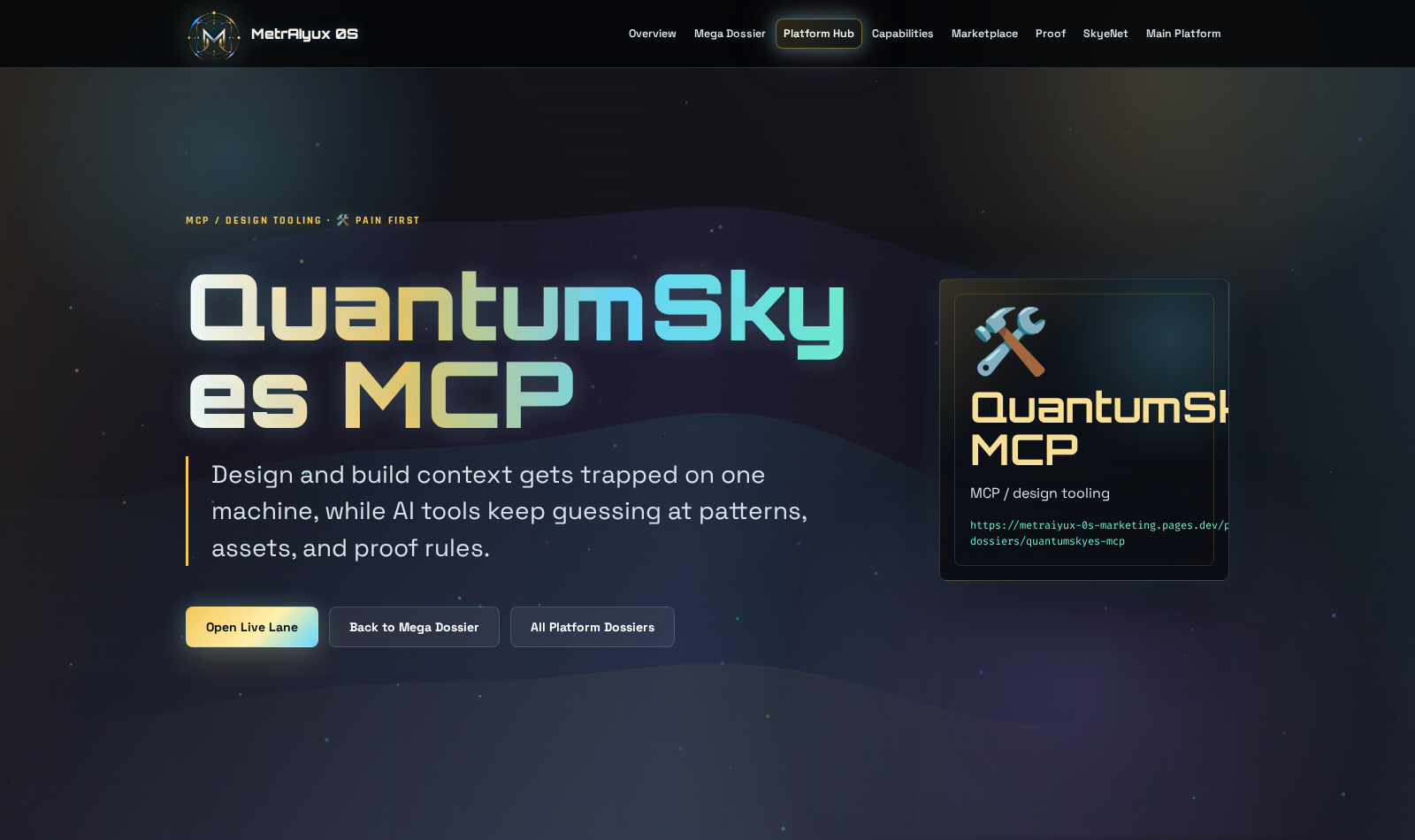
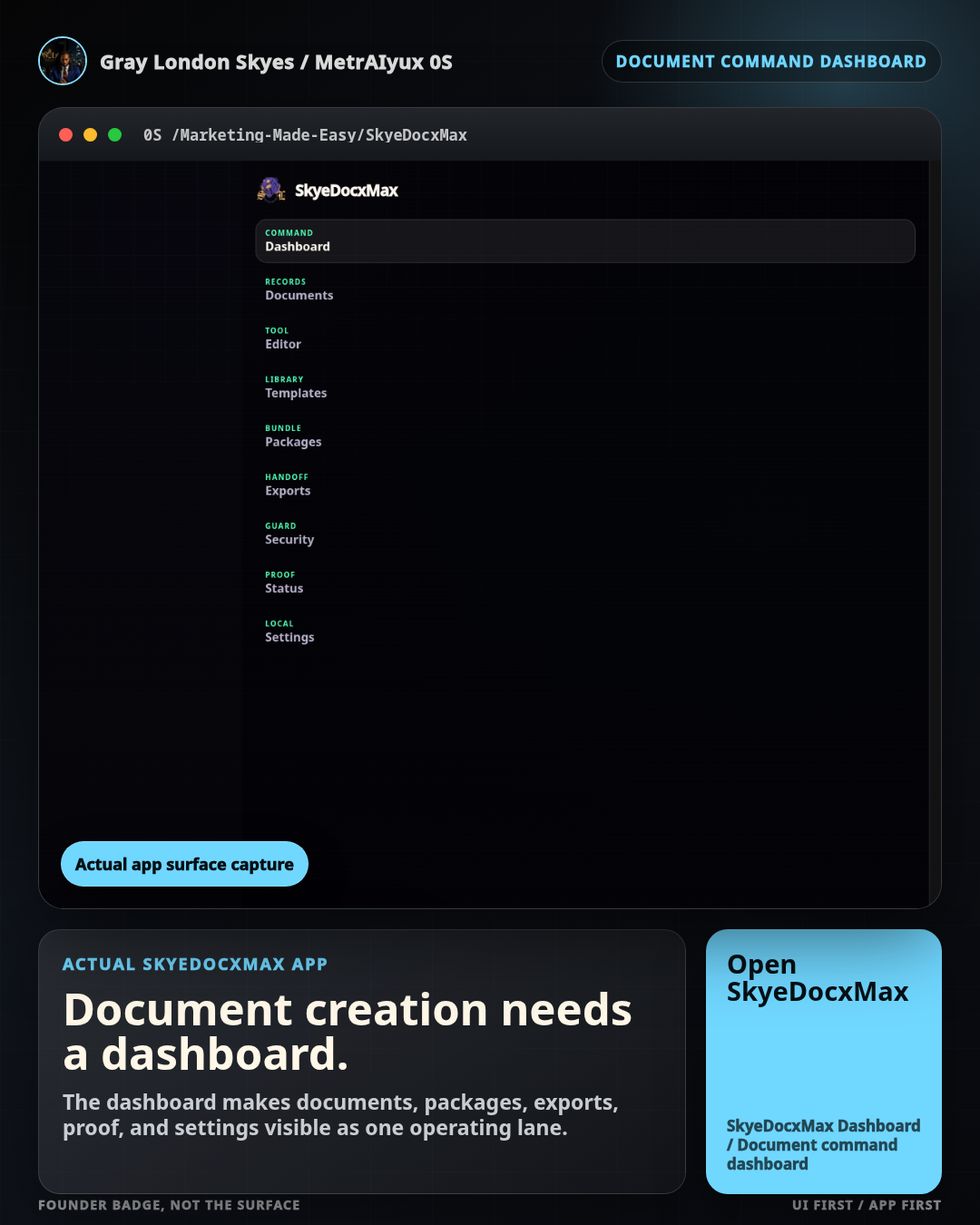
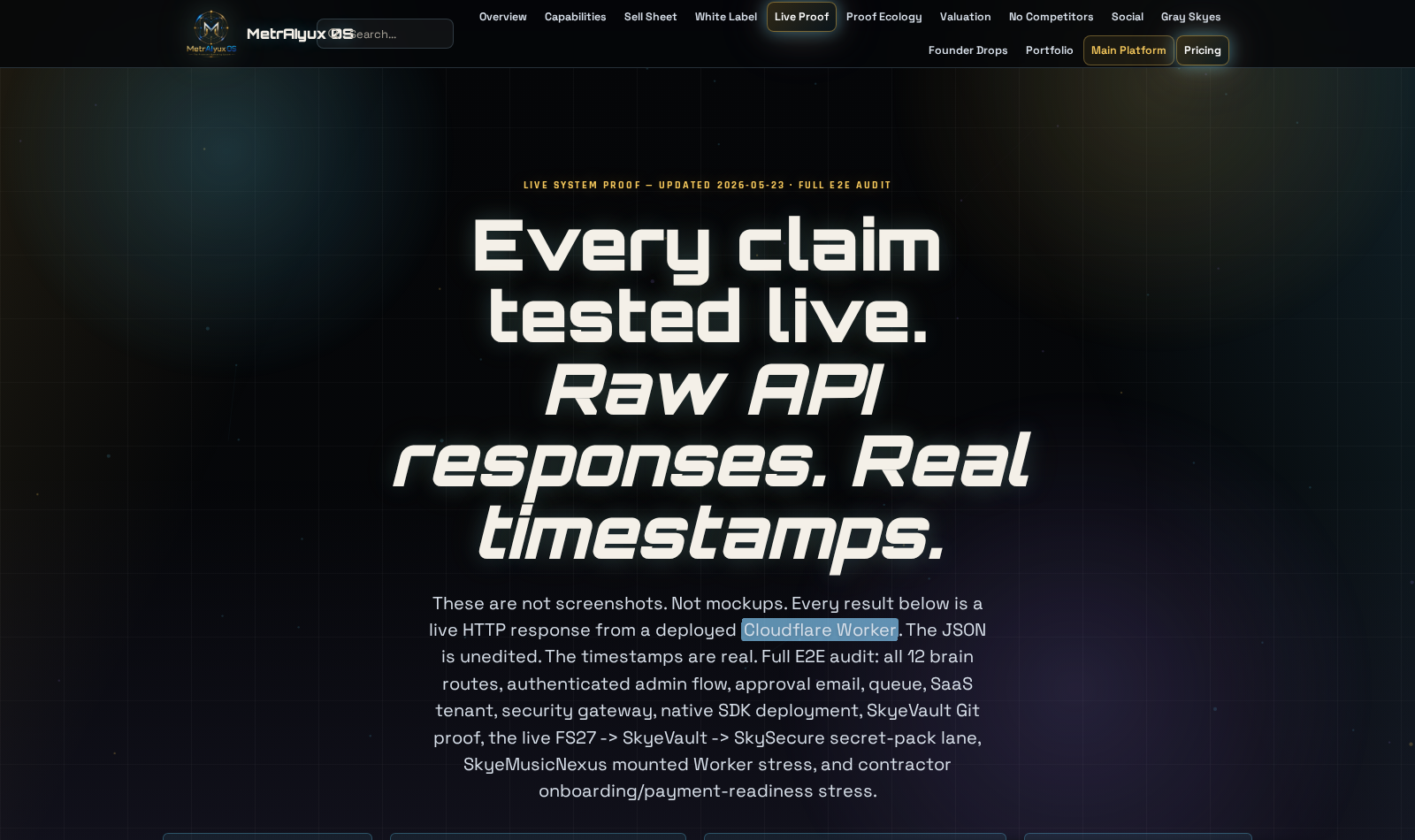
Screenshots become evidence when the article knows what they prove.
Research proof works when public tooling, real 0S surfaces, and live proof paths make the source argument inspectable instead of decorative.
| Signal | Why it matters | Reader move |
|---|---|---|
| NIST AI RMF | AI publishing needs governance, mapping, measurement, and management. | Check whether the article can defend its claims. |
| WCAG 2.2 | Public writing is an interface, so structure and links are part of quality. | Scan headings, links, image text, and mobile rhythm. |
| Darthom Intelligence | The public brain keeps the expansion connected to the 0S instead of drifting into generic commentary. | Follow the public source trail before trusting the synthesis. |
The operator move is to make every source earn its seat.
I do not want research expansion that reads like a citation parade. I want the source to earn its seat at the table. If NIST is here, it should teach governance. If WCAG is here, it should teach interface quality. If Darthom is here, it should keep the article connected to the company's public brain. If the source cannot change the decision, it does not belong in the room.
The final rule is blunt: if the article cannot show where the thought came from, what proof it can carry, what boundary keeps it honest, and what move the reader should make next, it does not deserve the DevodeRator surface. It can be fluent somewhere else. Here, the artifact has to take a punch and still tell the truth. Everything else is citation fog. ⚡